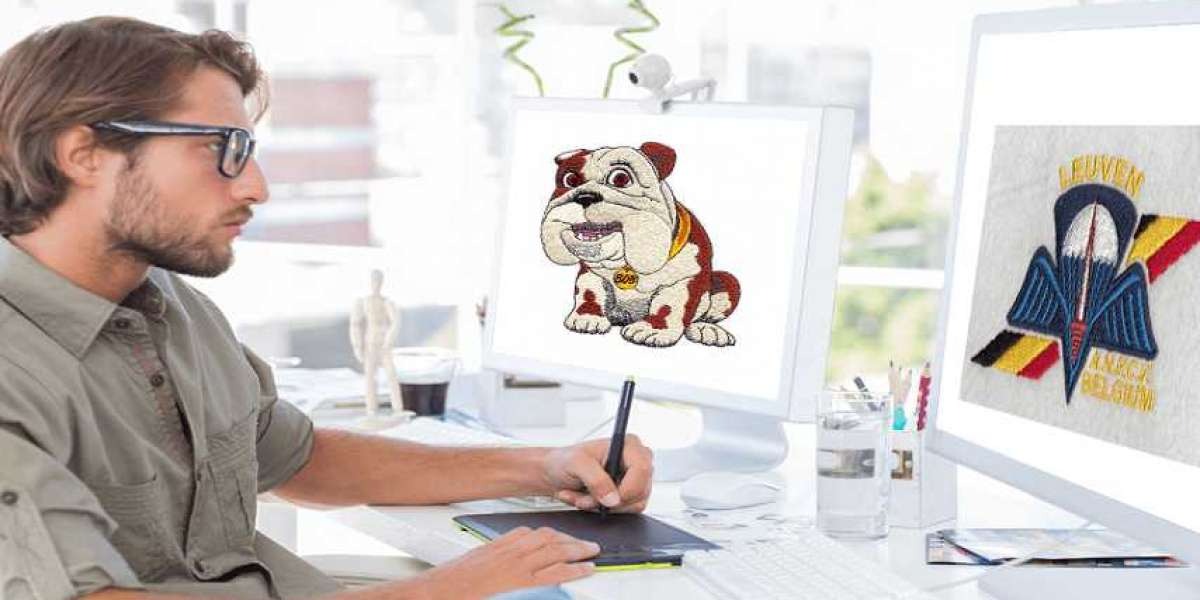
Walk into any store and you'll see rows of identical shirts, bags, and hats.
Same colors. Same fonts. Same designs staring back at you from every shelf.
Now imagine wearing something that exists only for you. A design no one else owns. A story stitched in thread that's yours alone.
That's the power of unique customized embroidery designs. They turn ordinary items into one-of-a-kind pieces—and they're easier to create than you might think.
Whether you're a DIY crafter, a small business owner, or someone hunting for the perfect personalized gift, this guide will show you how to make embroidery that truly stands apart.
Let's get into it.
Not every custom design is unique. Plenty of "personalized" items are just templates with a name dropped in.
Truly unique customized embroidery designs go further. They:
Reflect a personal story. Every element means something.
Use unexpected combinations. Colors, textures, and shapes that surprise.
Break from templates. No cookie-cutter layouts here.
Feel intentional. Nothing is there by accident.
In short: unique designs feel like they could only belong to one person.
Stuck on ideas? Start with what matters to you.
The best designs come from real life.
Examples:
A childhood nickname in a nostalgic font
A wedding date stitched in your invitation's typeface
A map outline of your hometown
A favorite family recipe title
These designs carry weight because they mean something.
Nature offers endless inspiration.
Ideas include:
Wildflower clusters
Animal silhouettes
Mountain ranges and coastlines
Botanical line art
These designs feel organic and timeless.
Embroidery has deep roots in cultures worldwide.
Consider:
Mexican Otomi-inspired patterns
Japanese sashiko stitching
Scandinavian folk motifs
Indian mirror work and zari
Honoring tradition adds depth and meaning.
Bold, graphic, and instantly recognizable.
Popular directions:
Retro 70s-style lettering
Minimalist geometric shapes
Graffiti-inspired typography
Neon color palettes
These designs feel fresh and current.
Sometimes the most unique designs don't "mean" anything—they just feel right.
Try:
Layered thread textures
Unusual color pairings
Mixed stitch techniques
Negative space compositions
Want to push your designs further? These techniques help.
Layering stitches to create shading and depth—almost like painting with thread.
Adding fabric pieces for color blocks and texture. Great for bold, graphic looks.
Raised, 3D elements that pop off the fabric. Perfect for floral and portrait work.
Metallic threads for luxury and drama. Ideal for formal or ceremonial pieces.
Hand-guided stitching for organic, painterly effects. No two pieces look alike.
Each technique opens new creative doors.
Ready to make something special? Here's a simple workflow.
Start with a story. What do you want the design to say?
Sketch your concept. Even rough drawings help clarify the vision.
Choose your color story. Limit yourself to 3–5 colors for cohesion.
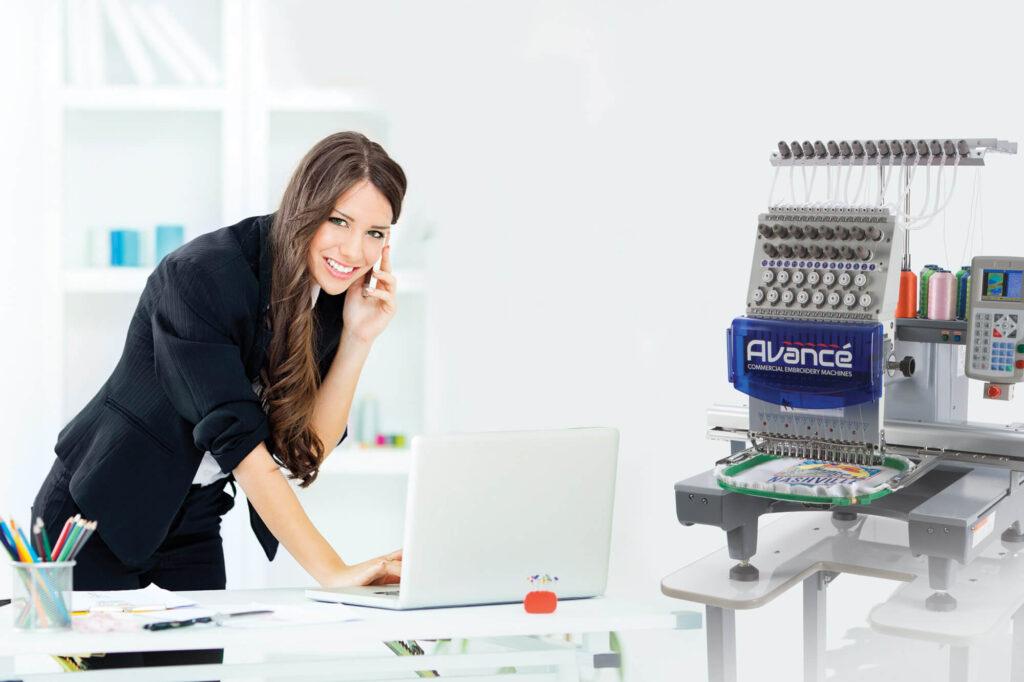
Digitize professionally. Clean digitizing is non-negotiable for detailed work.
Test stitch. See how the design behaves on actual fabric.
Refine and adjust. Tweak density, size, or colors as needed.
Stitch the final piece. And enjoy your one-of-a-kind creation.
Here's the truth: you can have the most creative idea in the world—but if the digitizing is poor, the final stitch will look messy.
Digitizing converts your artwork into a stitch file your machine can read. It involves:
Choosing the right stitch types
Setting density and pull compensation
Planning the stitch path for efficiency
This is where professional services like Absolute Digitizing make a huge difference. Clean digitizing means crisp letters, smooth curves, and fewer thread breaks.
Without it, even brilliant designs fall flat.
Even experienced embroiderers slip up. Watch out for these.
Overcomplicating designs. Simple often reads better.
Using low-resolution artwork. Blurry logos stitch blurry.
Skipping the test stitch. Never assume—always verify.
Ignoring fabric type. Stretchy fabrics need different settings.
Forgetting about thread weight. Different weights change the entire look.
If you run an embroidery or apparel brand, unique designs are your competitive edge.
They let you:
Offer premium, one-of-a-kind products
Build a recognizable visual identity
Attract customers who value craftsmanship
Command higher prices
And with a reliable digitizing partner like Absolute Digitizing, you can scale without sacrificing quality.
They're embroidery designs created specifically for one person, brand, or occasion—using original concepts, personal stories, or unusual techniques. They go beyond templates and mass-produced patterns.
Most artwork can be digitized, but simple, high-contrast designs work best. Complex images may need simplification to stitch cleanly.
Costs vary based on complexity. Simple designs may start around $10–$25, while detailed custom artwork can cost more. Professional digitizing services like Absolute Digitizing offer transparent pricing.
Stable fabrics like cotton, denim, and canvas are easiest. Stretchy or delicate fabrics need extra stabilization and testing.
Start with a clear concept or reference image. Then work with a digitizer to convert it into a stitch file. Testing and refinement follow before the final stitch-out.
Unique customized embroidery designs turn fabric into a canvas—and thread into a signature.
They're personal, expressive, and endlessly rewarding to create. Whether you're stitching for yourself or building a brand, the keys are the same:
Start with a story
Choose colors and textures thoughtfully
Invest in quality digitizing
Test, refine, and repeat
And when you're ready to bring your unique vision to life, Absolute Digitizing is here to make sure every stitch tells your story beautifully.

This post has been authored and published by one of our premium contributors, who are experts in their fields. They bring high-quality, well-researched content that adds significant value to our platform.



Motor Guide provides useful automobile information, including car reviews, vehicle guides, maintenance tips, driving advice, automotive news, and helpful insights for drivers and enthusiasts.