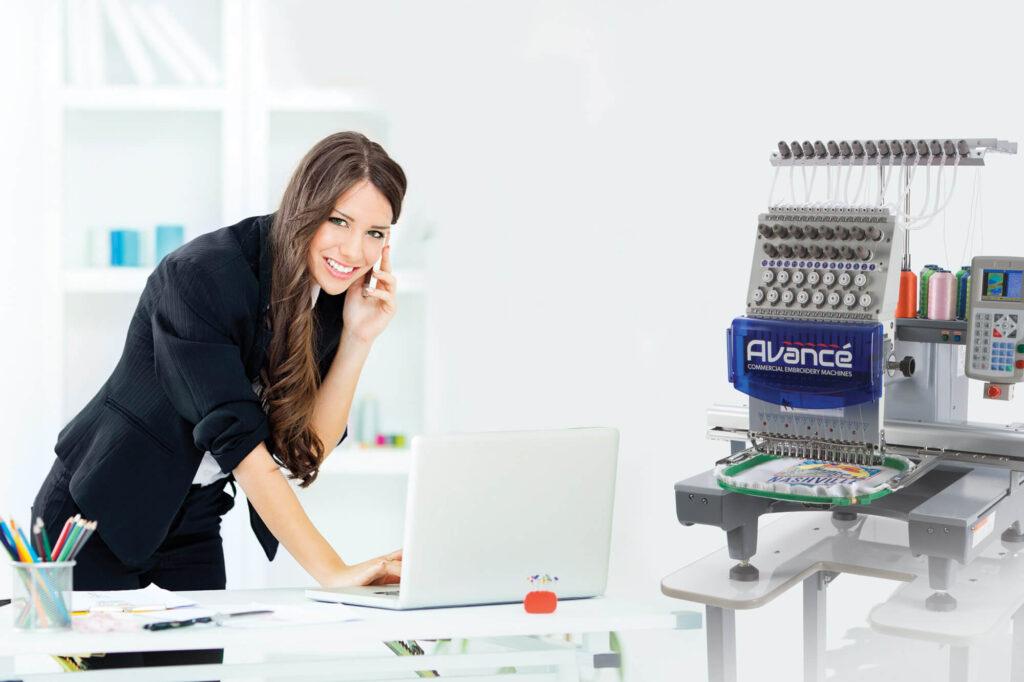
You've saved up. You've cleared a corner of the craft room. You've watched enough embroidery videos to last a lifetime. Now comes the hard part: actually picking a machine.
If you've spent any time shopping, you've noticed the same two names keep coming up. That's why Brother and Baby Lock embroidery machines compared side by side is such a common search. These two brands dominate the conversation, and for good reason.
But here's the twist most buyers don't discover until later. They're not really rivals in the traditional sense. They share a corporate parent, and for many models above the entry level, they share internal components too. It's like two restaurants operating from the same kitchen but with different menus and waitstaff.
That doesn't make the decision easy, though. The differences that do exist matter a lot, especially when you're spending hundreds or thousands of dollars. Let's walk through everything you need to know.
Let's get this out of the way first, because it shapes everything else.
For machines above roughly $500, most of the internal mechanics come from the same engineering pipeline. The motors, the tension systems, the embroidery arms, they're often identical or near-identical between comparable models.
Think of it like buying a generic prescription medication versus the name brand. Same active ingredient, different packaging, different price.
So when you're comparing these two brands, you're not really comparing stitch quality or durability. Those are largely the same. You're comparing everything around the machine: how you buy it, who supports you, and what extras come in the box.
This is the biggest practical difference, and it's the one that trips up most first-time buyers.
Brother machines are everywhere. Big box stores, online marketplaces, warehouse clubs, craft chains. You can compare prices in ten minutes and have a machine on your porch by Thursday.
Baby Lock takes the boutique route. You buy through independent sewing machine dealers. That means tracking down a local shop, sometimes driving an hour, and building an actual relationship with a human being.
That relationship comes with real perks:
Free or low-cost lessons on your specific machine
Extended warranties and service plans
Hands-on help when something goes wrong
Trade-in credit when you're ready to upgrade
A person who knows your machine by name
If you're a self-starter who learns from YouTube and forum posts, easy online access is a huge win. If you'd rather have a local expert on speed dial, the dealer route pays off fast.
Let's talk money, because this is where the decision often gets made.
Entry-level Brother embroidery machines are genuinely affordable. You can find a solid embroidery-only model with a 5x7 hoop for a few hundred dollars. That low barrier is why so many beginners start there. You get a color touchscreen, a decent design library, and reliable stitching without draining your savings.
Baby Lock machines typically cost more. A comparable model might run a hundred or two higher. That premium buys you a more refined mechanical feel, quieter operation, and that dealer support network.
Is the premium worth it? Honestly, it depends on your personality and budget.
If you want the smoothest possible experience and someone to guide you through the learning curve, the extra cost feels justified. If you're comfortable troubleshooting alone and want to spend more on hoops, stabilizer, and thread, the budget-friendly option makes perfect sense.
Best for tight budgets: Brother
Best for dealer support: Baby Lock
Best for quiet operation: Baby Lock
Best for online convenience: Brother
Best for licensed character designs: Brother
Best for quilting-focused stitchers: Baby Lock
Best for total beginners who want hand-holding: Baby Lock
Both brands load their machines with hundreds of built-in designs, but the personality of those designs differs.
Brother leans heavily into licensed content. If you've got a kid obsessed with a certain cartoon mouse or a princess in a ballgown, you'll find plenty of designs ready to stitch. That's a massive draw for parents and gift-makers.
Baby Lock focuses more on elegant, classic motifs and quilt-friendly patterns. Their designs suit home décor, garments, and traditional embroidery projects beautifully. They also invest heavily in educational content, offering free classes and tutorials specifically for their machine owners.
Neither approach is better. It's about matching the machine to the projects you actually want to make.
Here's where the shared DNA really shows up. Because so many components are common between comparable models, the actual stitch output is remarkably similar. Tension consistency, satin stitch edges, fill density, all of it lands in the same ballpark.
The difference is in the feel.
Baby Lock has built a reputation for exceptionally smooth, quiet operation. Their needle threaders are often praised as some of the best in the industry. The machines simply feel polished and premium.
Brother machines are also user-friendly. Their touchscreen interfaces are intuitive, and the documentation is thorough. They just feel a bit more utilitarian by comparison.
For total beginners, either brand works well. Brother has a massive online community, so late-night questions usually get answered fast. Baby Lock's community is smaller, but dealer support fills that gap for many users.
Visit a dealer if one is nearby. Touch both machines. Press the buttons. Feel the embroidery arm move.
List your must-have features. Hoop size, USB connectivity, and design storage matter more than brand loyalty.
Factor in the full cost. Thread, stabilizer, hoops, and digitizing software add up quickly.
Think about your projects. Quilting, apparel, and home décor each demand different strengths.
Consider your learning style. Solo learner or hands-on helper? That answer points you toward the right brand.
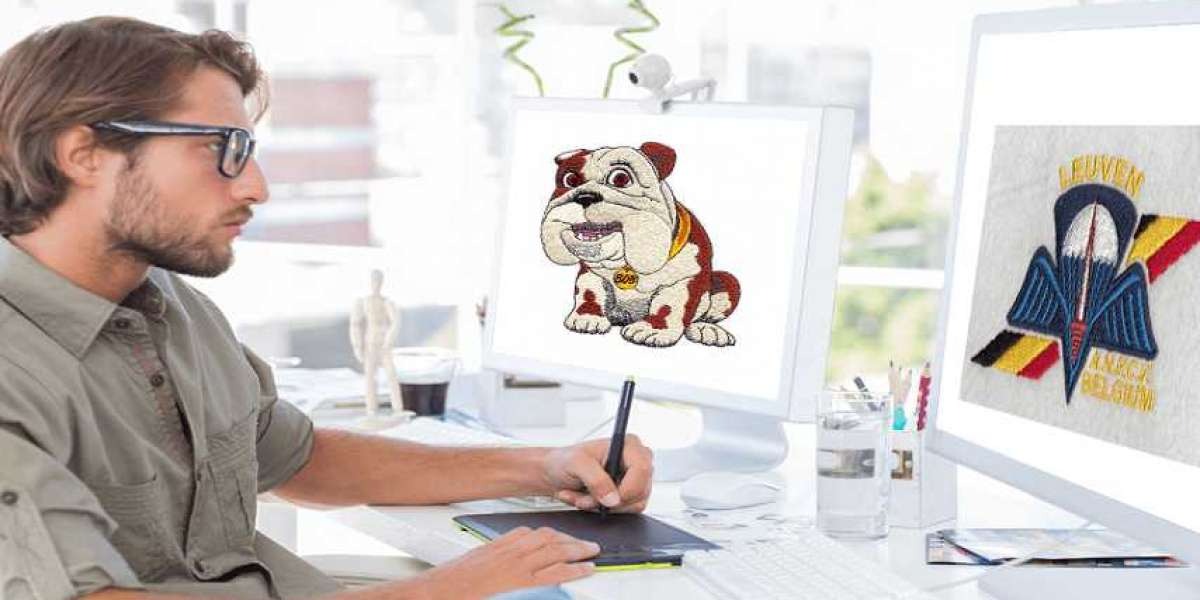
Don't overlook digitizing. Great designs make great machines shine, and professional digitizing services can elevate any project.
Check hoop compatibility. Make sure the hoops you want are available for the model you're considering.
Read the manual online first. You can download most manuals before buying. It tells you a lot about how the machine works.
Brother and Baby Lock embroidery machines compared side by side really comes down to three things: where you buy, how much you want to spend, and how much support you need.
Choose the budget-friendly, globally available option if you want value, convenience, and a massive online community. Choose the dealer-centric option if you value personalized support, quieter operation, and a more curated learning experience.
Both stitch beautifully. Both last for years with proper care. And both will help you create things people will treasure.
The smartest move? Try both before you commit. Your hands will tell you what the spec sheet can't.
Yes, for many mid-range and premium models, the two brands share manufacturing and internal components. They operate as sister brands targeting different retail channels.
Both work well. Brother offers a lower entry price and easy online purchasing. Baby Lock offers dealer-led lessons and hands-on support, which some beginners find invaluable.
If you value quiet operation, dealer support, and a polished feel, yes. If budget and convenience matter more, the alternative gives you excellent value.
Generally yes, as long as the file format is compatible. Most machines accept common formats like PES, EXP, and JEF. Always check your machine's supported formats.
Not necessarily. Both come with built-in designs. But if you want custom logos, monograms, or unique artwork, professional digitizing services through Absolute Digitizing can turn your ideas into stitch-ready files.

This post has been authored and published by one of our premium contributors, who are experts in their fields. They bring high-quality, well-researched content that adds significant value to our platform.



Motor Guide provides useful automobile information, including car reviews, vehicle guides, maintenance tips, driving advice, automotive news, and helpful insights for drivers and enthusiasts.